
UTM Tracking: A Basic How-To
17 March 2025 · Sarah Pitout
In the world of digital marketing, understanding where your website traffic comes from is crucial for making data-driven decisions. UTM (Urchin Tracking Module) tracking allows you to add specific parameters to your links, helping you track and analyse the effectiveness of your campaigns. Whether you’re running email campaigns, social media ads, or referral marketing, UTM parameters provide the insights you need to optimise your efforts.
What Are UTM Parameters?
UTM parameters are tags added to a URL that help track the source of your website traffic in tools like Google Analytics. When someone clicks a link with UTM parameters, the data is sent back to your analytics platform, allowing you to see exactly where your visitors are coming from and how they interact with your site.
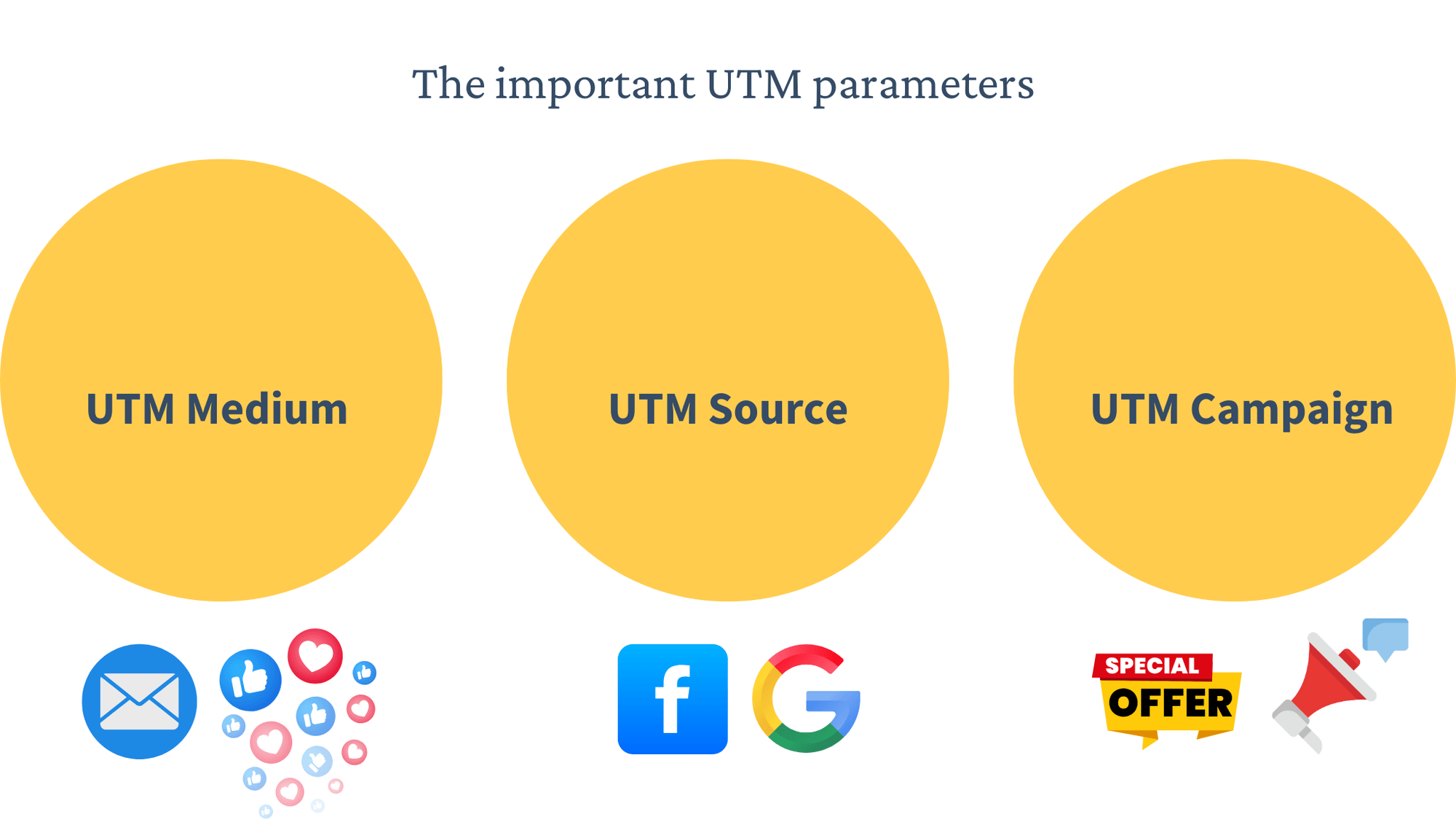
The three most important UTM parameters are:
UTM Medium – The broad category that describes how the traffic is coming to your site (e.g., social, email, paid, referral).
UTM Source – The specific platform or website driving the traffic (e.g., Facebook, Google, TripAdvisor).
UTM Campaign – The name of the campaign or promotion that the traffic is associated with (e.g., summer_sale, feb_newsletter).
Without all three parameters, tracking becomes incomplete and ineffective.
Understanding Source and Medium
Correctly defining the source and medium ensures accurate data collection. Here are some common mediums and sources used in UTM tracking:
Common Mediums:
- Email: Traffic from email newsletters and marketing campaigns.
- Organic: Traffic from unpaid search engine results (Google, Bing, etc.).
- Referral: Traffic from external websites linking to your site.
- Paid: Traffic from paid ads such as PPC (Pay-Per-Click) or CPC (Cost-Per-Click) campaigns.
- Social: Traffic from social media platforms.
Common Sources:
- Google (for organic or paid search traffic)
- Bing (another search engine traffic source)
- Facebook, Instagram, LinkedIn (for social media campaigns)
- TripAdvisor, Conde Nast, etc. (for referral traffic from external websites)
How to Use UTM Tracking: Real-World Examples
Here are some practical examples of how to properly tag your links for different campaigns:
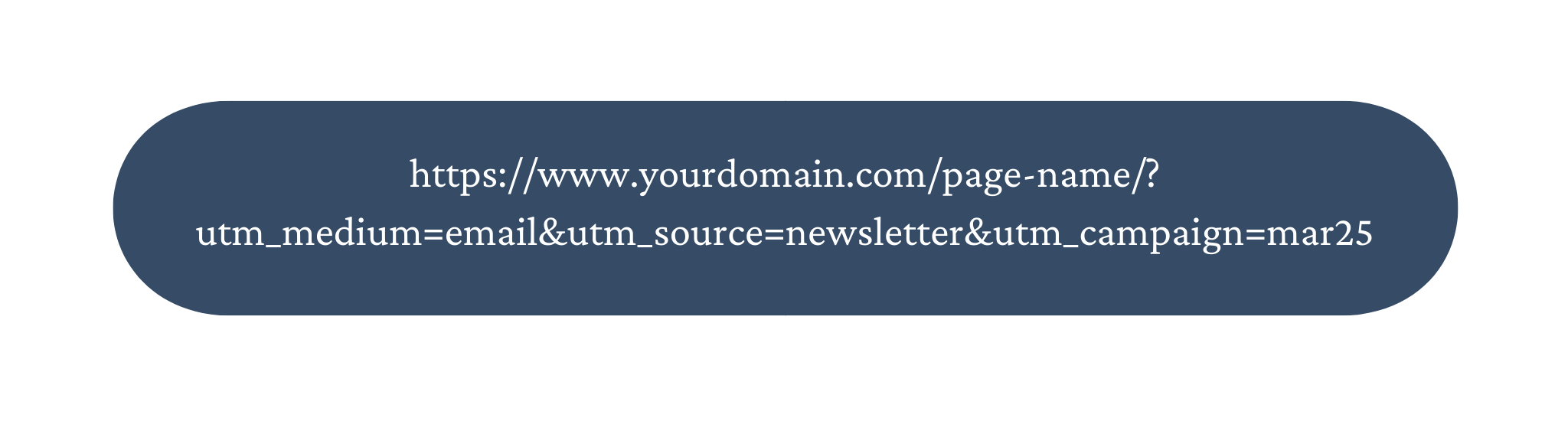
1. Newsletters
If you send out a newsletter promoting your latest blog post, your UTM-tagged link might look like this:
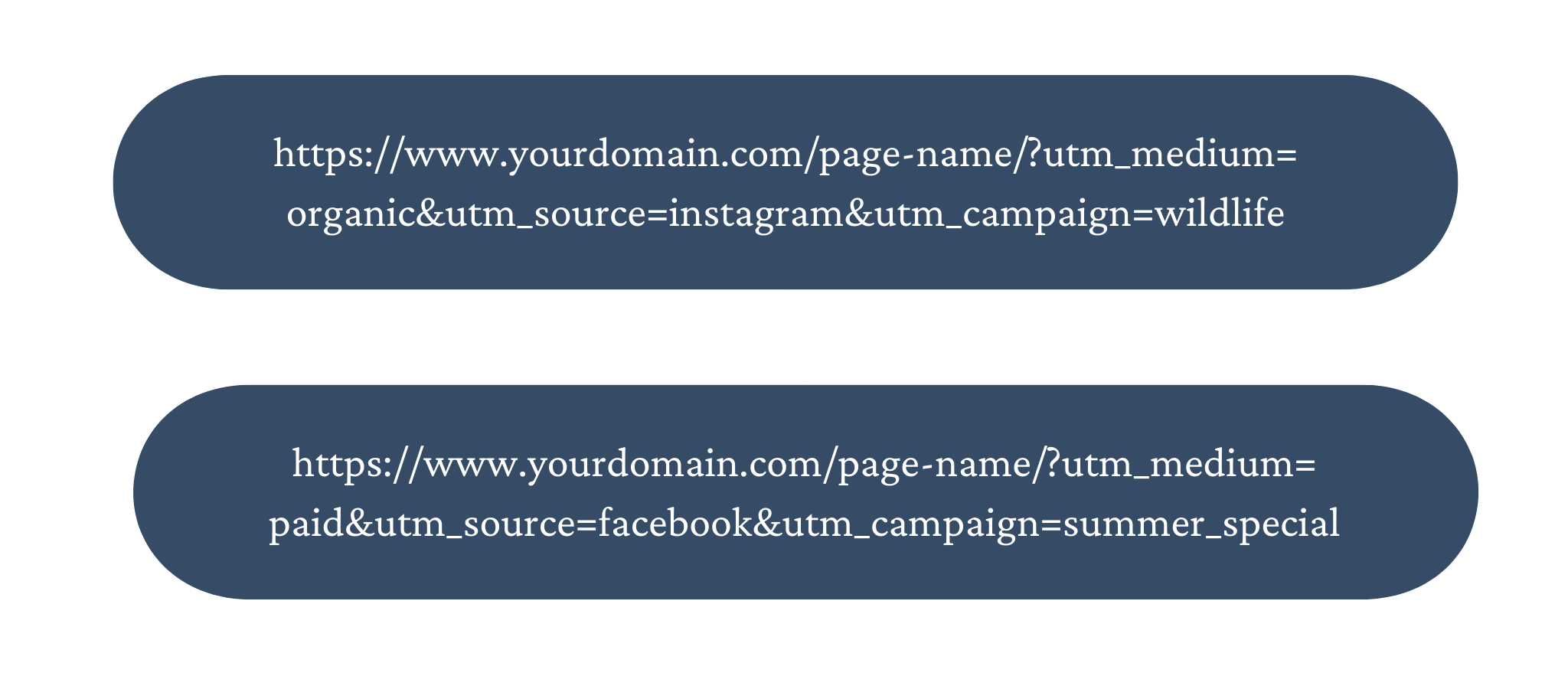
2. Social Media
Organic post on Instagram or Paid Facebook ad:
How to Build UTM-Tracked URLs
Instead of manually adding UTM parameters, you can use Google’s free UTM Builder tool to create correctly formatted tracking links. Simply visit:
Google Campaign URL Builder
Why UTM Tracking Matters
By implementing UTM tracking, you gain deeper insights into which channels and campaigns drive the most valuable traffic. This helps you:
- Improve ROI by focusing on high-performing channels.
- Understand customer behaviour and engagement.
- Optimise campaigns based on real data rather than assumptions.
Start Tracking Smarter
UTM tracking is a simple yet powerful way to measure marketing success. If you need assistance setting up UTM tracking for your campaigns or want to ensure your analytics are working correctly, contact Focus Online at hello@focusonline.co.za. Our team can help you create optimised tracking strategies to make data-driven decisions that grow your business.